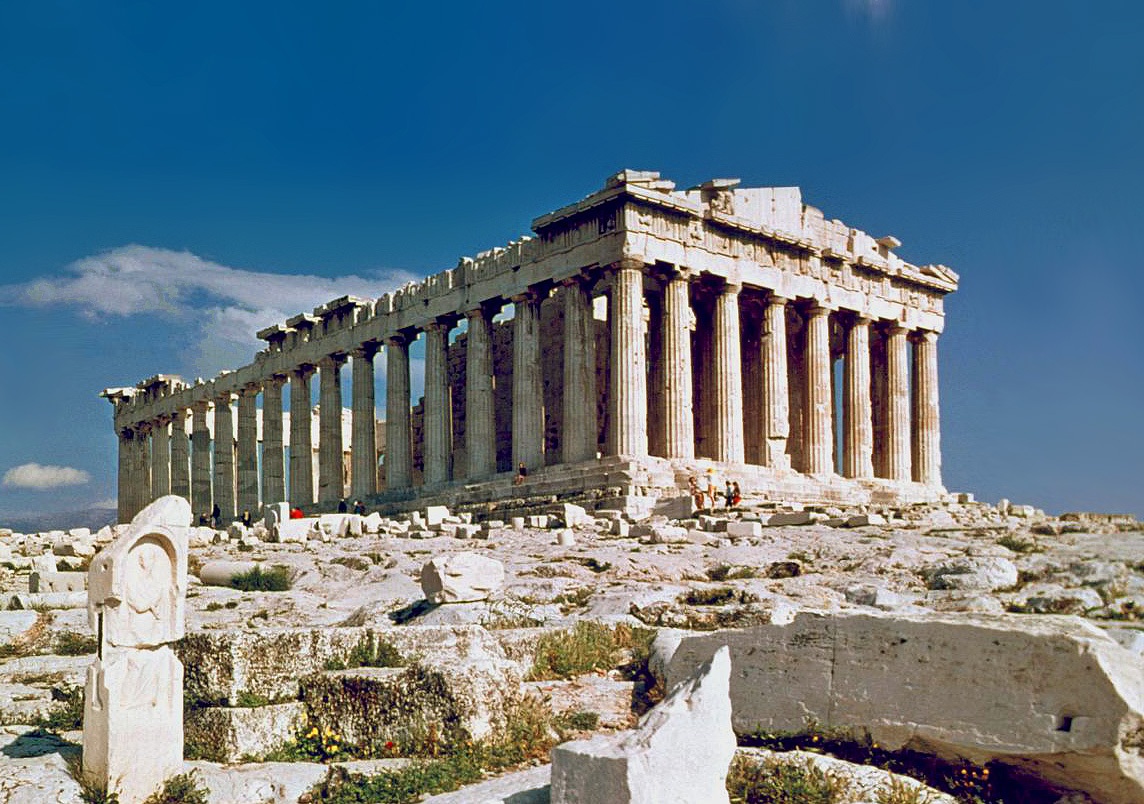
Chapter IV of four
Κοινά τα των φίλων What friends have, they share
An industry worth building enriches more than itself. The wider dividend of Greek games is skills that flow into every digital trade, opportunity that reaches past Athens to the regions and the islands, and a place in Greece's long tradition of giving, entered the way that tradition deserves.
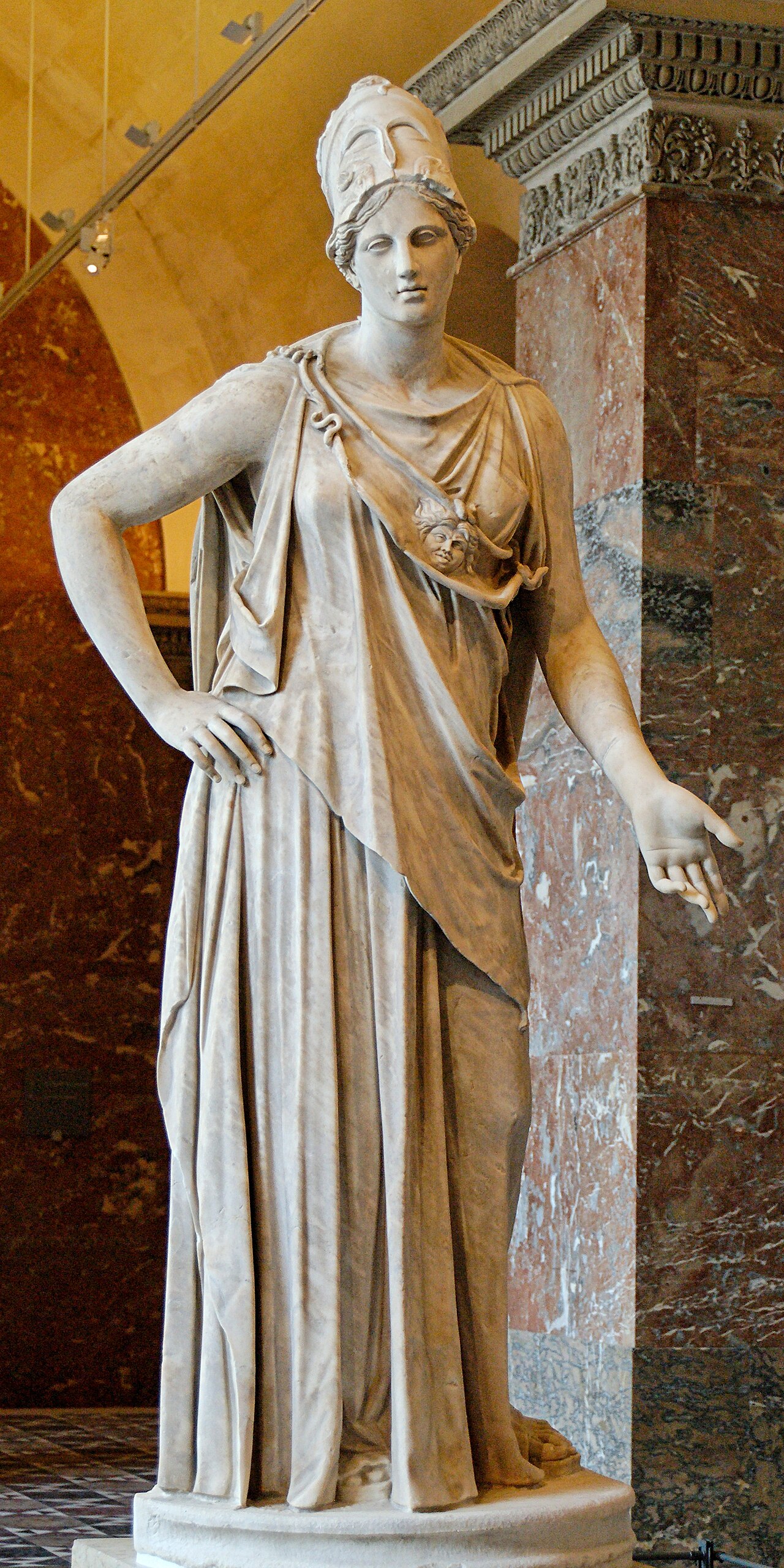
Athena of the Louvre, Roman copy of a Greek original.
Every person a games industry trains is a software engineer the country keeps, whether or not they stay in games.
Athena was never only the goddess of war; she was the goddess of the city, of craft and of the olive branch, and a games industry worth her city repays it in more than tax receipts. Games disciplines feed software, simulation, AI and the visual industries, so every cohort trained for games is a bench the whole economy draws on. That much the campaign has already argued. This chapter is about the deliberate half of the dividend: what a Greek games industry chooses to give back, and how it earns the standing to give it.
The giving layer is designed the way the pilot is designed: in stages, each earned before the next, and always by invitation. No organisation is named before it has agreed to be named; the communities a fund hopes to serve are asked what would help before anything is offered. That is not caution, it is respect, and it is how giving earns a welcome.
Learn who already does the work, and ask them what would actually help.
Small, specific, invited contributions, delivered and honestly assessed.
Once pilots prove out: a structured vehicle with governance and independent oversight.
A public account of what was given, to whom, and what it changed.
Greek philanthropy already delivers at a scale most countries would envy: a parents' association that has stood beside children with cancer for four decades, a friends' association that built and equipped a full oncology unit, a diaspora initiative channelling millions into Greek economic development. A games-sector fund would arrive as a junior newcomer in a long tradition, and it would come to learn before it comes to give.
Ambitions, put to the communities themselves first, in the order the giving framework demands.
Rendered in Unreal Engine 5
The world's corporate campuses have taught their lessons, sometimes by counterexample. The physical model proposed for Greece takes the generous shape from the start.
A mixed-use commons, not a single company's walled estate: public programmes, teaching space and studio desks under one roof, with the door open.
The tavernas and shops around the building serve it and profit from it. No internal canteen absorbing the neighbourhood's custom; the district's economy is part of the design.
Shade, solar and water reuse as first principles, because heat, fire and island logistics are Greek realities that honest architecture plans for on day one.
That is the whole dividend, counted: skills the country keeps whatever people build next, opportunity that reaches the islands without an airport in between, and giving that arrives as a guest and stays as a neighbour. The epic opened with a question about who tells Greek stories, and it closes the way every Greek story closes: with the homecoming.
Four chapters, one argument: the tools exist, the people are ready, the first year is planned, and the country is paid back in people. Retrace any part of it.
Figures verified against these sources on 8 July 2026; the Hellenic Initiative figure is rechecked before any formal use. Organisations appear as examples of Greek philanthropic capacity, by way of respect, and nothing here names a partner.